Doncumming

Uncategorized

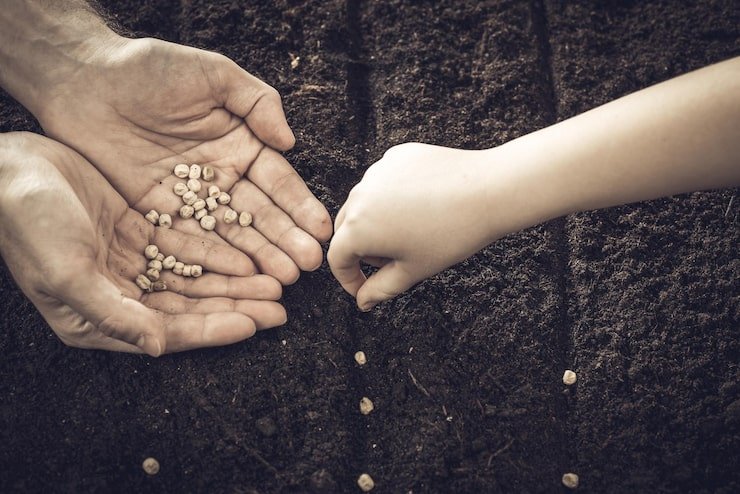
Hands of an adult holding seeds while a child plants them in fertile soil, symbolizing the transfer of farming knowledge and sustainable growth.
Uncategorized

5 Ways Your Donation Actually Builds Sustainable Farms for Children in Crisis

Let’s be honest—most of us have seen those late-night commercials asking for a few dollars to “feed a child.” It’s a powerful image, and yes, that immediate food saves lives. But have you ever wondered what happens when the food truck leaves? What happens next month, or next year? At Children Deserve a Future, we got tired of just putting a band-aid on a deep wound. We realized that if you want to stop a child from going hungry forever, you don’t just give them a bag of grain. You give them a farm. Your donations are doing exactly that. We aren’t just shipping crates; we are planting the seeds of a permanent solution. Here is how your money is actually working on the ground in 2026. 1. Fixing the Dirt Before We Plant the Seeds Most people think farming is just about digging a hole and dropping a seed. In a crisis zone, it’s never that simple. The land in these areas is often “exhausted”—either because of war, neglect, or bad weather. If we just plant seeds in bad soil, we are wasting your money. The first thing we do with your donation is soil rehabilitation. We bring in experts to test the earth. Does it need more nutrients? Is it too dry? We use organic compost and clever land management to bring that dirt back to life. It’s not the most “glamorous” part of the job, but it’s the most important. We are building a foundation so that the farm we build today is still feeding kids ten years from now. 2. Picking Seeds That Refuse to Die The world is getting hotter, and in the places we work, the weather is brutal. A regular corn seed from a local shop might not survive a week in a 110-degree heatwave. We use your funds to buy climate-resilient seeds. These are “tough” seeds—varieties that can handle a drought and still produce food. But we don’t just stop at survival. We pick seeds that are high in vitamins. We plant iron-rich beans and vitamin-A sweet potatoes. Why? Because malnourished children don’t just need calories; they need real nutrition to grow their brains and bodies. Your donation is literally choosing the health of the next generation. 3. Solar Power: Because Rain is Unreliable In a war zone or a crisis area, you can’t exactly flip a switch for electricity. And petrol for water pumps? It’s either too expensive or impossible to find. This is where your support becomes a game-changer. We install Solar-Powered Drip Irrigation. Think about it: the sun is free, especially in the desert or tropical regions. We use solar panels to pump water from deep underground and pipe it directly to the roots of the plants. It uses 80% less water than traditional farming. This means even if there’s no rain for months, the farm stays green. It’s a one-time cost that keeps giving for years without needing a single drop of expensive fuel. 4. Teaching People How to Lead (Not Just Follow) We have a rule: we never want to be the “boss” of a community. If we build a farm and then have to stay there forever to run it, we’ve failed. Your donations fund hands-on training. We sit down with the local moms, the grandfathers, and the teenagers. We teach them how to fix the solar pumps, how to make their own natural pesticides, and how to save seeds for next year. This is community-led farming. When a mother grows the food that feeds her own child, she’s not a “victim” anymore. She’s an expert. She’s in charge. That’s the dignity your money provides. 5. Making Sure the Food Actually Reaches the Plate You’d be surprised how much food gets wasted because it rots in the sun or there’s no way to move it. Growing the food is only half the battle; the other half is the “Last Mile.” We use your support to build small, secure storage units called silos. These keep the harvest dry and safe from pests. We also help set up local kitchens. Instead of just handing a child a raw vegetable they can’t cook, we make sure that harvest is turned into a warm, balanced meal right there in the community. We’ve cut out the middlemen and the expensive shipping. It’s local food, for local kids, grown by local people. Why This Matters Right Now In 2026, the world feels more unstable than ever. But a farm is a solid thing. It’s a piece of peace. When a community can feed itself, the whole vibe changes. Kids go to school because they aren’t too hungry to think. Parents stay home instead of fleeing to find work. When you click “Donate” on our Our Mission page, you aren’t just making a transaction. You are literally planting hope. You are telling a child in a crisis zone that they deserve a future—and then you are giving them the tools to build it. Thank you for being the reason these farms exist. We aren’t just saving lives; we are harvesting a whole new world. Plant a Seed of Hope
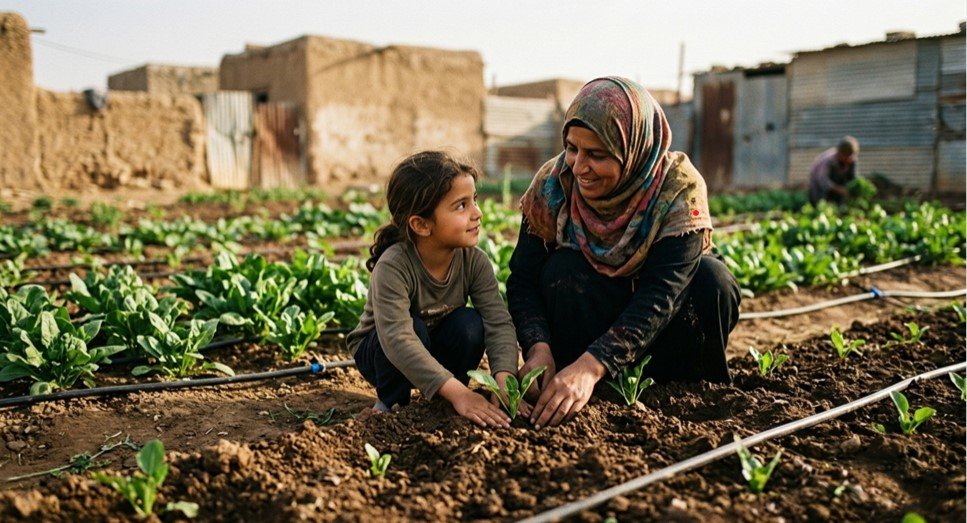
Sustainable farming project for children in conflict zones showing woman and child planting crops on a charity farm.
Uncategorized

Harvesting Hope: How Your Support Changes the Lives of Children in Conflict

The Reality Behind the Headlines Whenever we turn on the news, we’re bombarded with stats about war zones. But statistics don’t feel hunger—children do. I’ve seen it firsthand: a mother trying to stretch a single bag of rice for a week because the aid trucks were blocked. This is why our focus on direct aid for war-torn regions had to evolve. We realized that dropping off boxes of crackers wasn’t enough. To truly solve child hunger, we had to stop looking at the sky for planes and start looking at the dirt beneath our feet. This isn’t just a charity farm; it’s a rebellion against starvation. The Problem: Why Emergency Aid Often Fails Don’t get me wrong, emergency kits save lives in the first 48 hours. But what happens on day 49? Most hunger solutions are like band-aids on a deep wound. In places like Ukraine or Palestine, food security in conflict zones is incredibly fragile because it relies on outside help. If the border closes, the food stops. That’s a terrifying way to live. We decided that the best way to support children in war zones was to give them something no army can block: the ability to grow their own meal. This is why buying land to feed hungry children became our absolute priority for 2026. The Strategy: Our Version of “Guerilla Farming” We don’t just plant corn and hope for rain. In a conflict zone, you have to be smarter than the environment. We use resilient agriculture—crops that are “tough” and can handle neglect or poor soil. Cultivated Land Management: We find plots that others have given up on. We clear the rubble, fix the soil, and turn it into cultivated land that breathes life back into the neighborhood. Sustainable Resource Management: In a war zone, you can’t waste a drop of water. We use low-tech irrigation and natural fertilizers to keep the charity farm running without needing expensive, imported chemicals. Impact Nutrition: Every square inch of our farm is planned. We don’t just grow for volume; we grow for vitamins. Our focus is on impact nutrition—foods that help a malnourished child’s brain and body recover fast. How Farming Creates Long-Term Food Security (The Real Secret) People ask me all the time: how farming creates long term food security when there are literal bombs falling? It’s about the “Seed Cycle.” If you give a child a loaf of bread, they eat for a day. If you teach a community sustainable crop harvesting for orphans, they eat for a lifetime. The Soil Debt: Most soil in war zones is “tired.” We spend the first month just feeding the earth. The Harvest: When the first green shoots come up, the vibe in the community changes. It’s not “aid” anymore; it’s their food. The Multiplier: We save 20% of every harvest to replant. This makes our sustainable hunger solutions completely self-sufficient over time. The Impact: Changing More Than Just Diets The impact of farming on poverty is something you have to see to believe. When a father can work on a charity farm to feed his kids, he gets his dignity back. We’ve set up a community empowerment fund where locals aren’t just laborers—they are owners of the process. They learn resource management and agricultural development in crisis areas, skills that will help them rebuild their country when the fighting finally stops. This is the best way to support children in war zones—give them a future, not just a snack. Real Results: What We Saw in the Last Harvest In our most recent project, the numbers were staggering, but the faces were better. We saw: Zero Dependency: Communities that used to wait for trucks are now feeding themselves 4 days a week from their own cultivated land. Better Health: Local doctors reported a 30% drop in malnutrition-related illness because of the impact nutrition from our fresh vegetables. Hope: You can’t quantify it, but you can feel it. A charity farm in a war zone is a sign that life goes on. Looking Ahead to 2026 Our goal for 2026 is to scale this up. We want to be buying land in three new regions where food security is at a breaking point. We’re not just an agriculture charity for children; we are a movement that believes sustainable food is a human right, not a luxury. Conclusion: Be the Reason Someone Eats Today The truth is, the soil is ready. The seeds are ready. We just need the hands to help us plant them. Every dollar you give isn’t just “charity”—it’s an investment in a sustainable hunger solution. When you support agricultural development in crisis areas, you are literally planting the seeds of peace. Let’s stop talking about hunger and start harvesting hope. Donate to Feed a Child

Scroll to Top